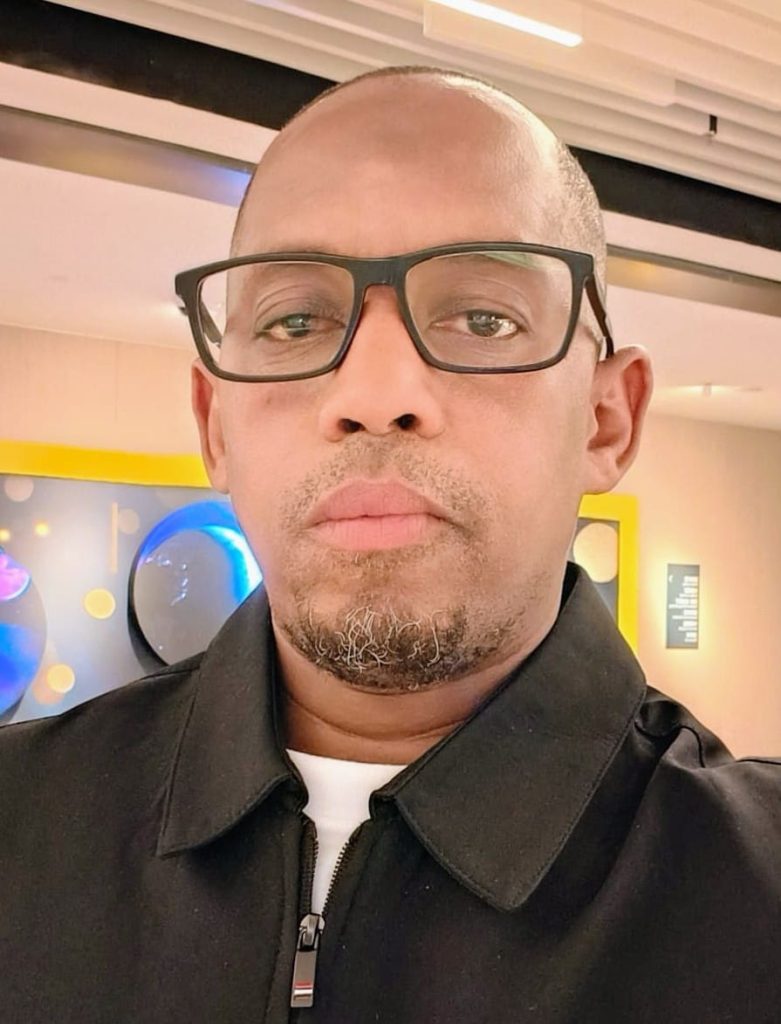
Alpha Amadu Jalloh is a Sierra Leonean Australian author, opinion writer, and community advocate based in Melbourne. He is the author of Monopoly of Happiness and his debut Mr. President, Can We Talk?- A citizens Conversation with power, a collection of civic essays on leadership, governance, and social justice in Sierra Leone. His widely shared essays, including The Misfit No One Can Tame and Everyone Here Is a Relative, reflect his themes of identity, belonging, family, and moral responsibility. Jalloh’s work amplifies the voices of ordinary citizens at home and in the diaspora. He is a recipient of the Africa Renaissance Leadership Award in Nairobi and continues to write, speak, and engage communities across continents.
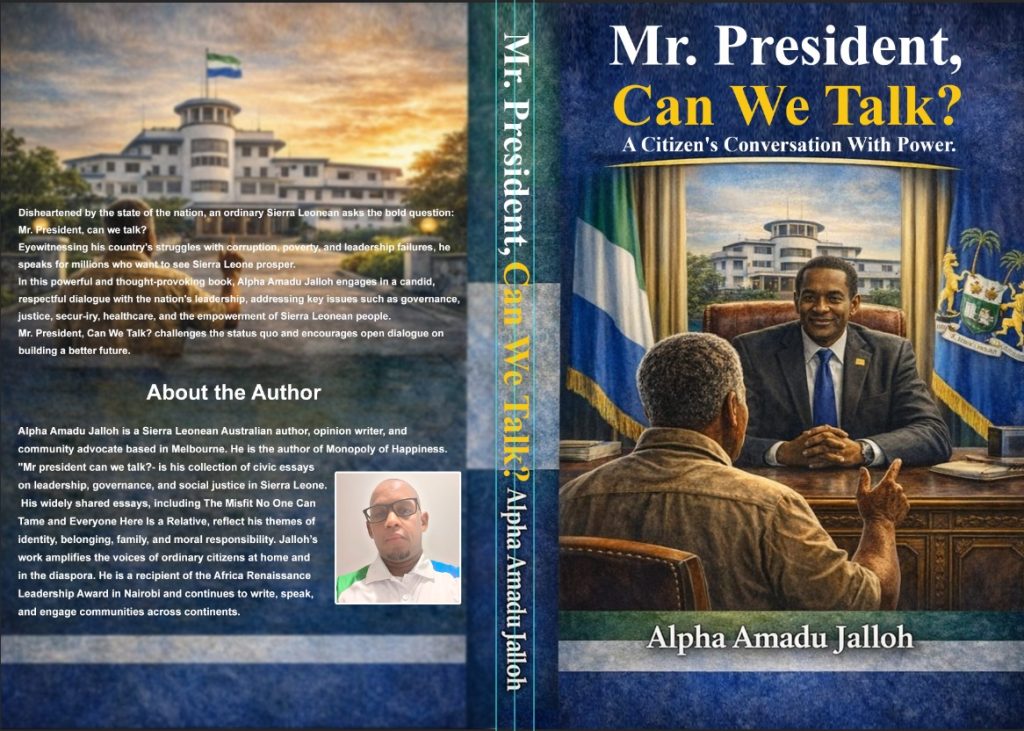
Synopsis of Mr. President, Can We Talk? A Citizen’s Conversation With Power.
Mr. President, Can We Talk? is a courageous and deeply personal collection of civic reflections written by Sierra Leonean author and public commentator Alpha Amadu Jalloh. The book is built on a simple but powerful idea: that leadership must remain open to honest conversation, and that citizens must never lose the moral courage to speak truth to power.
Through a series of compelling essays, Jalloh addresses the presidency not as an enemy, but as a concerned citizen, a father, a community advocate, and a son of the soil. Each piece is written in the spirit of dialogue rather than hostility, asking difficult questions about governance, accountability, corruption, national priorities, and the everyday struggles of ordinary Sierra Leoneans.
The book explores critical issues affecting the nation, including the cost of living, youth unemployment, institutional decay, political patronage, misuse of public funds, the erosion of public trust, and the widening gap between political promises and the lived realities of the people. Jalloh draws from real events, public controversies, and his own observations at home and in the diaspora to paint a vivid portrait of a country at a crossroads.
At its heart, the book is not merely a critique of one administration. It is a broader reflection on the nature of power, the responsibilities of leadership, and the role of citizens in shaping the future of their nation. Jalloh reminds readers that democracy is not sustained by elections alone, but by continuous engagement, vigilance, and the courage to question authority.
The tone of the book is firm yet reflective, critical yet hopeful. Even in his harshest observations, the author maintains a belief that Sierra Leone can rise above its challenges. His message is rooted in patriotism, faith, and a deep emotional attachment to the country’s future generations.
Mr. President, Can We Talk? is both a political conversation and a moral appeal. It speaks not only to those in power, but to every citizen, urging them to reclaim their voice, demand accountability, and participate actively in the nation’s destiny.
For discussion panels, civic forums, and leadership dialogues, the book offers a powerful starting point for conversations about governance, responsibility, and the future of Sierra Leone. It stands as a testament to the enduring belief that respectful, honest dialogue between leaders and citizens is the foundation of any thriving democracy.
Thank you much my brother for your hard work, l personally appreciate you for your herd work May Allah bless you and bless all of us and bless our families
Ameen
https://shorturl.fm/Jteab